
Online casino players have spent years inside the same familiar interface: a lobby full of game icons, a balance in the corner, a spin button in the center, and a result that appears in a few seconds. Slots became the main language of digital gambling because they were simple, fast, colourful and easy to understand. A player could open a site, choose a theme, set a stake and start immediately. That model still works, but in 2026 it no longer feels new.
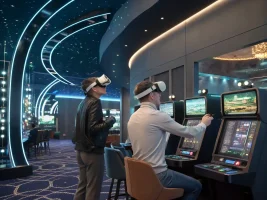
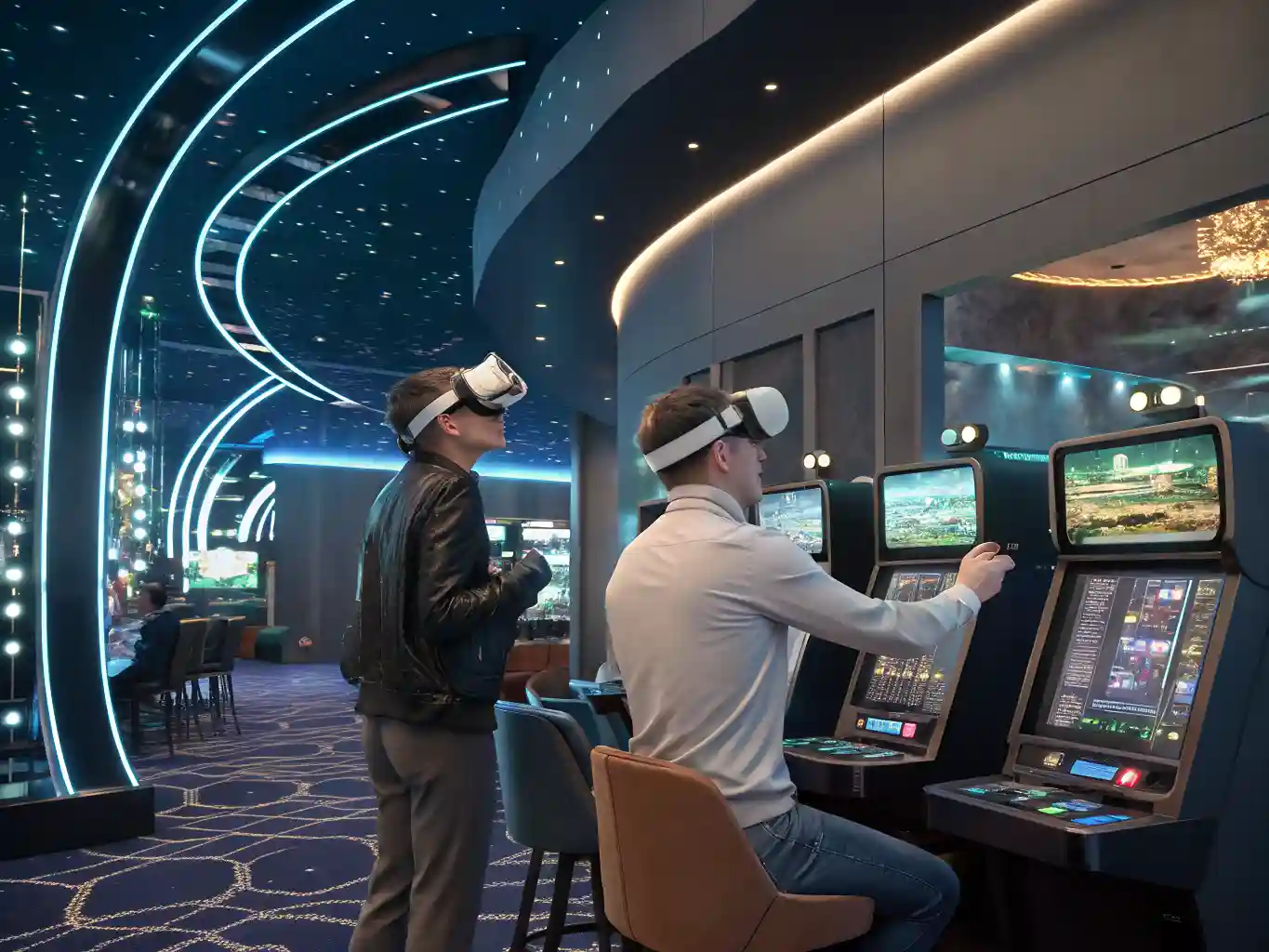
A different type of player experience is growing around VR casinos and immersive gambling platforms. These environments do not treat the casino as a flat menu. They turn it into a place. The player enters through an avatar, moves through a virtual floor, joins tables, reacts to other users, watches live hosts, explores themed rooms and feels more involved in the action. The bet is still important, but it is no longer the only thing that keeps attention.
The shift from slots to immersive platforms is not happening because slot games have suddenly become irrelevant. It is happening because many players want more than repetition. They want atmosphere, social contact, visible progression, personal identity and a stronger feeling that they are taking part in something. VR casinos answer that demand by bringing together gambling, gaming culture, live entertainment and virtual social spaces.
Why traditional slots are losing part of their pull
Slots became dominant because they removed friction. They do not require knowledge of poker hands, blackjack strategy or roulette layouts. A player can understand the whole loop in seconds: place a bet, spin, wait for symbols, collect a win or move on. For years this was the perfect formula for online casinos, especially on mobile devices. Short sessions, quick outcomes and thousands of themes made slots easy to sell and easy to play.
The weakness of that formula is that it can become too familiar. Many modern slots look different on the surface but feel similar in the hand. A fantasy slot, an Egyptian slot, a fruit slot and a branded adventure slot may use different art, yet the player still sits outside the game and presses the same button. Bonus rounds, expanding wilds and multipliers create variety, but they often stay inside a narrow pattern.
Younger digital audiences are also used to more active entertainment. They spend time in multiplayer games, social platforms, streaming spaces and avatar-based worlds. They do not always separate gaming, chatting, watching and shopping into different activities. For them, a static slot lobby can feel thin, especially when compared with worlds where people move, speak, customise their appearance and share moments with others.
This does not mean players are rejecting slots completely. Slots remain convenient, especially for short breaks and low-effort entertainment. The change is more subtle. Slots are becoming one format among many, while immersive platforms are becoming the place where players go when they want a fuller session. A player may still spin reels, but they may prefer to do it inside a themed casino room, next to other avatars, with live events and interactive features around the game.
The old slot model is also under pressure because attention has become harder to keep. A bright design and a bonus feature are no longer enough when users can switch to video platforms, mobile games or live streams within seconds. Immersive casinos try to hold attention through presence. They make the player feel located inside a space rather than simply connected to a website.
How VR casinos change the feeling of play
A VR casino changes the basic relationship between player and platform. In a standard online casino, the player looks at the game. In a VR casino, the player feels placed inside the game environment. That difference matters because gambling has always been tied to atmosphere. Land-based casinos are not only rows of machines and tables. They are sound, lighting, movement, people, service, anticipation and small rituals. VR platforms try to rebuild part of that feeling digitally.
The most obvious change is movement. Instead of scrolling through a lobby, the player can walk through a virtual floor or teleport between areas. A roulette table is no longer just a rectangle on a screen. It can become a table in a room, with seats, chips, a dealer, other players and a visible wheel. A blackjack game can feel more like a shared event because the player sees who else is present and reacts naturally to wins, losses and decisions.
Avatar identity also changes the experience. A profile picture is passive, but an avatar gives the player a body inside the platform. Even simple customisation creates a feeling of ownership. Clothing, accessories, gestures and personal spaces can make the user more invested in returning. For operators, this is powerful because loyalty is no longer limited to bonuses or points. It becomes tied to identity and habit.
Sound design plays a major role as well. In flat slot games, audio often repeats. In immersive environments, sound can guide attention and build mood. The player may hear chips, voices, machines, music from a nearby lounge or a host announcing an event. When these elements are balanced well, the platform feels alive. When they are poorly designed, the experience becomes tiring. That is why the best VR casino products are not simply louder or more colourful. They are carefully staged.
The strongest immersive platforms understand that VR should not make everything more complicated. A casino still needs clear betting controls, visible balances, understandable rules and fast exits. The user should feel surrounded by the environment, not trapped by it. Good design gives the player atmosphere without hiding the practical details that responsible gambling requires.
Before comparing the two models directly, it is useful to look at how the player experience changes across the most important areas. The difference is not only visual. It affects behaviour, session length, social motivation and the way users judge value.
| Area of experience | Traditional online slots | VR and immersive casino platforms |
|---|---|---|
| Player role | Viewer clicking through a game interface | Participant represented by an avatar inside a space |
| Main appeal | Speed, simplicity, themes and bonus mechanics | Presence, atmosphere, interaction and exploration |
| Social element | Usually limited or absent | Chat, gestures, shared tables, events and multiplayer rooms |
| Session style | Short, repetitive and easy to interrupt | Longer, more involved and closer to entertainment sessions |
| Navigation | Game lobby, filters and search menus | Virtual floors, themed rooms and interactive spaces |
| Personalisation | Favourite games, account settings and bonuses | Avatar identity, virtual items, rooms, status and loyalty layers |
| Main risk | Fast repetitive betting and loss of attention to spend | Strong immersion that can make time and spending feel less visible |
| Best use case | Quick play, familiar mechanics and mobile convenience | Deeper sessions, social play and entertainment-led gambling |
This comparison shows why the move toward immersive platforms is not only a technology upgrade. It is a change in what players expect from the casino itself. Slots focus on the result of each spin. VR casinos focus on the whole journey around the bet. That broader experience can feel more valuable, but it also needs stronger safeguards because the platform is designed to hold attention for longer.
The social reason players are moving toward immersive platforms
Many online casino products have been strangely lonely. A player might be on a site with thousands of other users, but the experience often feels private and silent. Live dealer games changed that partly by bringing hosts, real tables and streamed interaction into the session. VR casinos extend the same idea by giving players a stronger sense of shared presence.
Social play does not mean every user wants to talk constantly. Some players prefer to watch, listen or simply feel that other people are nearby. The important point is that the casino no longer feels empty. Seeing avatars at a table, hearing reactions after a big result or joining a scheduled event can make the platform feel less mechanical. The player becomes part of a scene.
This is one of the main reasons immersive platforms attract users who may be tired of standard slots. The emotional rhythm is different. A slot session can become a private loop of wins, losses and repeated spins. A VR casino session can include small social moments: choosing a seat, recognising another regular player, reacting to a dealer, entering a tournament room, or watching a group gather around a game-show style table.
The social layer also supports discovery. In a traditional lobby, players choose games through thumbnails and filters. In a VR environment, discovery can happen through movement and attention. A busy table can attract interest. A themed room can pull users in. A live host can guide players toward events. This creates a more natural path through the platform and reduces the feeling of browsing a catalogue.
There are several features that make this social pull stronger in 2026:
• Avatars make players visible to each other and give each session a personal identity.
• Voice and text chat create quick reactions without forcing every player into conversation.
• Live hosts turn tables and events into performances rather than isolated games.
• Multiplayer rooms make gambling feel closer to a shared night out than a private screen session.
• Virtual rewards and status markers give regular players a reason to return beyond bonus offers.
• Themed spaces let platforms build mood around sport, luxury, fantasy, nightlife or seasonal events.
These features work best when they support the gambling experience rather than distract from it. A player should not need to understand a complicated virtual world just to place a bet. The most successful platforms are likely to be the ones that keep the casino simple at its core while adding social presence around it.
The social appeal also explains why VR casinos are often connected with broader metaverse-style design. The goal is not only to recreate a roulette table in 3D. The goal is to create a destination where players can arrive, meet, watch, play and leave with a memory of the session. That is much harder to achieve with a standard slot grid.
Why immersion changes loyalty and player behaviour
Casino loyalty has usually been built with bonuses, cashback, VIP levels and free spins. These tools still matter, but they are not enough on their own. Many players compare offers across different sites, move quickly when terms are better elsewhere and rarely feel attached to a single platform. Immersive casinos create a different form of loyalty because they can make the user feel connected to the environment itself.
When a player builds an avatar, earns virtual items, joins recurring events or becomes familiar with a specific room, leaving the platform feels different from closing a slot game. The relationship becomes less transactional. The player is not only asking, “Where is the best bonus?” They may also ask, “Where do I like spending time?” That is a major change in online casino competition.
Immersion can also make gambling feel more like entertainment. A player may enter a VR casino without planning to bet continuously. They might watch a game, explore a new area, talk to others, attend a live event and only then join a table. For operators, this creates more ways to keep users active. For players, it can make the platform feel richer and less repetitive.
At the same time, this is where responsible design becomes essential. The more engaging a platform becomes, the more carefully it must handle time, spending and emotional intensity. A flat casino interface already carries risk because fast betting can blur the sense of money. A highly immersive platform can add another layer: the player may lose track of time because the environment feels entertaining even between bets.
Good VR casino design should make limits visible, not hidden. Balance, session time, bet history and break reminders need to remain easy to find. A player should be able to leave a table or exit the platform without confusion. Immersion should create atmosphere, not pressure. The difference between a premium experience and a manipulative one often lies in these small details.
This is also why trust will matter more in immersive gambling than in ordinary slot play. When platforms use avatars, social features, virtual items, crypto payments or personalised recommendations, players need clear rules. They should understand what is gambling, what is entertainment, what has real-money value and what is only cosmetic. If the platform mixes these layers carelessly, users can become confused about risk.
The best operators in 2026 are likely to treat transparency as part of the product, not as a legal note hidden in the footer. In an immersive casino, clarity has to be designed into the experience. Rules, odds, limits and payment terms should be as visible as the virtual tables and rooms.
The technology behind the shift is becoming easier to access
VR casinos have been discussed for years, but earlier versions faced obvious barriers. Headsets were expensive, graphics could feel basic, controls were awkward and many players were not ready to wear hardware just to gamble online. The idea was exciting, but the everyday experience was not always smooth enough.
By 2026, the situation is more practical. Headsets are better, but the bigger change is that immersive platforms are not always limited to full VR hardware. Many products now think in layers. A user might enter through a desktop 3D environment, a mobile version, an augmented reality feature or a full headset experience. This matters because a casino that works only for headset owners has a smaller audience. A platform that offers different levels of immersion can reach many more players.
Mobile access remains especially important. Even as VR grows, most gambling sessions still need convenience. Players want to check a balance, claim a promotion, join a table or play for a few minutes without setting up equipment. The strongest immersive casinos are therefore not replacing mobile design. They are connecting it with richer experiences. A player may use mobile for simple actions and VR for deeper sessions.
Artificial intelligence also supports the shift, although it should not dominate the user experience. Smart recommendations can help players find suitable rooms, games or events. Automated support can answer basic questions. Personalisation can adjust lobbies and offers based on preferences. Used responsibly, these tools reduce friction. Used poorly, they can feel invasive or pushy.
Payments and identity systems are changing too. Some immersive platforms experiment with digital wallets, tokens, virtual goods and blockchain-based features. These ideas can create faster transactions and clearer ownership of certain digital items, but they also bring complexity. Players need simple explanations, strong security and proper licensing. A casino should never make payment systems feel like a game when real money is involved.
Another important factor is performance. Immersion fails quickly when movement is laggy, audio breaks, tables freeze or controls feel imprecise. A slot can survive a simple interface because the action is limited. A VR casino needs stability across many layers at once: graphics, multiplayer presence, payments, live streams, chat, responsible gambling tools and account security. The technical burden is heavier, which means only serious operators can deliver a polished experience.
What players should look for before choosing a VR casino
The excitement around VR casinos can make the format sound more advanced than it really is. Some platforms offer genuine immersive design. Others use the language of VR or metaverse gambling while delivering only a basic 3D lobby or a standard casino with fashionable branding. Players need to judge the product carefully.
Licensing remains the starting point. A beautiful virtual floor means little if the operator is not properly regulated. Players should check who owns the platform, where it is licensed, what payment methods are supported, how withdrawals work and whether the games come from recognised providers. Immersion should never replace the basic checks that apply to any online casino.
Game quality also matters. A VR casino should not rely only on novelty. The roulette, blackjack, baccarat, poker, slots or game-show formats still need fair mechanics, clear rules and smooth performance. If the platform looks impressive but the games feel clumsy, the novelty will fade quickly.
Comfort is another practical issue. VR sessions can be more physically demanding than ordinary mobile play. Some users may feel tired after long periods in a headset. Others may prefer desktop or mobile access for everyday sessions. A good platform gives the player choice rather than forcing one mode of play.
Responsible gambling tools deserve special attention. Because immersive platforms can feel more absorbing, players should look for visible limits, reality checks, self-exclusion options, deposit controls and easy access to account history. The safer platform is not the one that hides these tools behind menus. It is the one that makes them normal and easy to use.
Privacy should also be part of the decision. Avatar-based platforms may collect more behavioural data than standard casino sites. Movement, interactions, preferences and social activity can all become part of the user profile. Players should understand what data is collected, how it is used and whether they can control social visibility.
The most reliable sign of a strong VR casino is balance. It should feel exciting but not chaotic, social but not intrusive, rich but not confusing, entertaining but still transparent about money and risk. A platform that gets this balance right can offer something slots alone cannot provide: a sense of place.
Conclusion
The move from slots to VR casinos in 2026 is not a simple story of old technology being replaced by new technology. It is a change in player expectations. Many users still enjoy slots, but they also want richer environments, social energy, live interaction and a stronger feeling that their session has shape and atmosphere.
Immersive platforms answer that demand by turning the casino from a screen into a destination. They combine avatars, 3D spaces, live entertainment, multiplayer tables, personalisation and virtual rewards. When the design is strong, the player does not feel like they are only pressing buttons. They feel present inside a digital venue.
The challenge is responsibility. Immersion can make gambling more enjoyable, but it can also make time and spending easier to lose sight of. The future of VR casinos depends not only on better graphics or smarter hardware. It depends on trust, clarity, fair games, visible limits and platforms that respect the player as much as they entertain them.
Slots will remain part of online gambling because they are simple, fast and familiar. Yet the most interesting growth is happening around experiences that feel less like a game list and more like a living space. In 2026, players are not just looking for another spin. Many are looking for somewhere to go.