
The global casino industry has undergone one of the most significant transformations in its history. What was once a strictly physical, location-bound form of entertainment has evolved into a complex ecosystem where digital platforms play an equally important role. At the center of this evolution lies the hybrid casino model, where traditional land-based casinos expand into the online space without abandoning their physical identity. This approach is no longer experimental. It has become a proven strategy for growth, resilience, and long-term brand relevance.
Hybrid casinos combine the trust, heritage, and experiential value of physical venues with the scalability, accessibility, and technological innovation of online platforms. For established operators, this model allows them to retain loyal offline customers while attracting a new, digitally native audience. For players, it offers continuity: the same brand, standards, and atmosphere, now available anytime and anywhere.
This article explores how physical casinos successfully launch and integrate online platforms, what strategic elements define a strong hybrid model, and which real-world examples demonstrate best practices. The focus is not on theory alone, but on practical execution, operational synergy, and measurable outcomes.
What Defines a Hybrid Casino Model
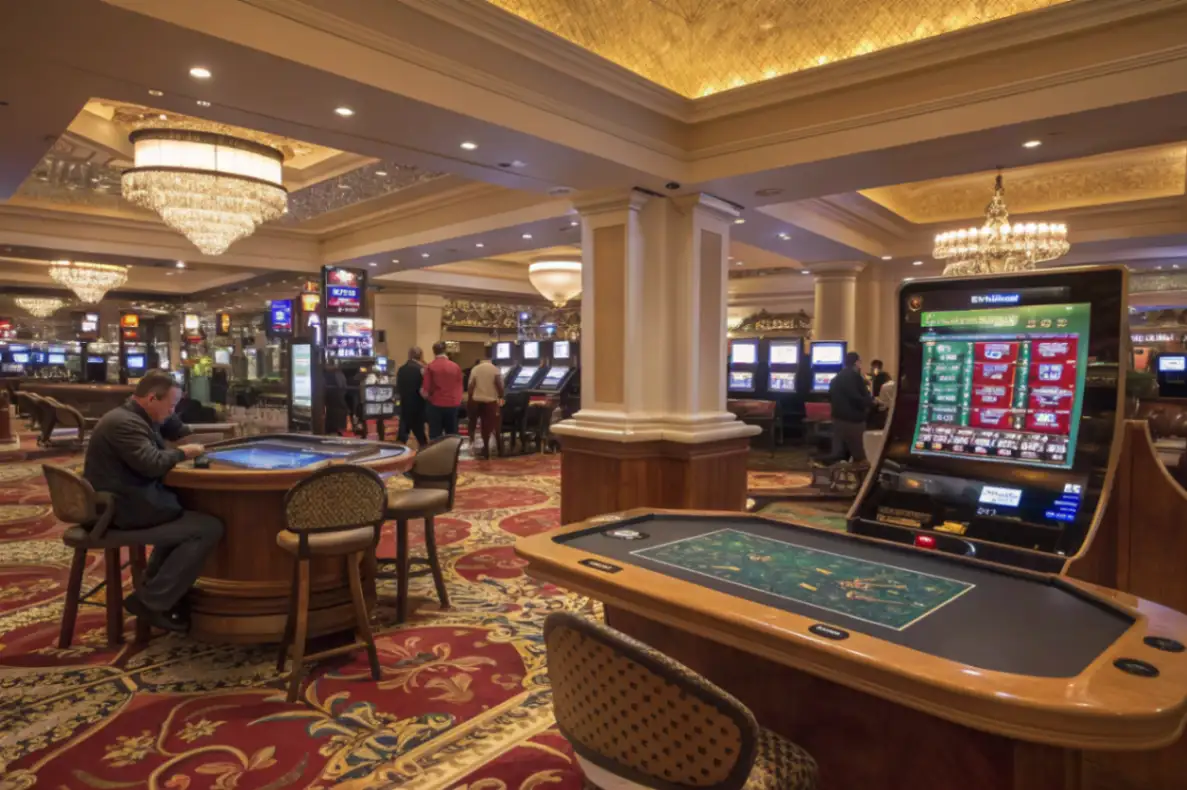
A hybrid casino model is not simply a land-based casino that also operates a website. It is an integrated ecosystem where offline and online operations reinforce each other strategically, commercially, and technologically. The defining feature is consistency across channels: branding, player experience, loyalty systems, and responsible gambling policies are aligned rather than fragmented.
At the operational level, hybrid casinos treat online platforms as an extension of the physical venue. This means that the digital casino reflects the same values, visual identity, and service standards that players associate with the land-based property. Games offered online often mirror the most popular machines and tables found on the casino floor, sometimes even using branded titles exclusive to the property.
From a player perspective, the hybrid model removes barriers. A customer who regularly visits a physical casino can register online with minimal friction, often using the same loyalty account. Points earned online may be redeemed offline, and vice versa. Promotions are designed to encourage cross-channel engagement, such as online bonuses linked to on-site events or hotel stays.
Crucially, successful hybrid casinos understand that online operations are not a replacement for physical venues but a complementary revenue stream. The goal is diversification, not substitution. This mindset shapes investment decisions, marketing strategies, and long-term planning, allowing the brand to remain competitive in both environments.
Strategic Advantages of Going Hybrid
The decision to expand from a physical casino into the online space is driven by clear strategic advantages. These benefits go beyond short-term revenue growth and fundamentally change how a casino interacts with its audience.
Before examining specific cases, it is useful to summarize the key advantages that consistently appear in successful hybrid strategies.
| Strategic Advantage | Impact on Land-Based Casino | Impact on Online Platform |
|---|---|---|
| Brand Trust | Reinforces reputation and credibility | Accelerates player acquisition |
| Customer Retention | Extends engagement beyond physical visits | Reduces churn through loyalty integration |
| Revenue Stability | Mitigates seasonal or regional downturns | Provides scalable, global income |
| Data Utilization | Enhances player insights and personalization | Improves targeting and UX optimization |
| Regulatory Strength | Leverages existing compliance expertise | Simplifies licensing and market entry |
These advantages are not theoretical. Brand trust, in particular, plays a decisive role. Players are far more likely to register and deposit on an online casino operated by a well-known physical brand than on a standalone digital platform. The land-based casino’s history, visibility, and regulatory track record reduce perceived risk for users.
Revenue stability is another critical factor. Physical casinos are vulnerable to external disruptions such as travel restrictions, economic downturns, or seasonal fluctuations. An online platform provides a buffer, ensuring continuous cash flow even when foot traffic declines. Conversely, offline venues benefit from online marketing by reactivating dormant players and driving visits through targeted offers.
Key Operational Elements Behind Successful Launches
Launching an online casino from a land-based operation requires more than software licensing and marketing spend. The most successful hybrid casinos invest heavily in operational alignment, ensuring that both sides of the business function as a unified system rather than parallel silos.
One of the first elements is platform selection. Established casinos rarely build proprietary online platforms from scratch. Instead, they partner with experienced iGaming technology providers that offer robust, scalable, and compliant solutions. This allows the casino to focus on brand management and player experience rather than core development risks.
Another critical element is organizational structure. Hybrid success depends on close collaboration between offline management and online teams. Marketing, compliance, and customer support departments must share data and strategic objectives. In many cases, hybrid casinos create centralized digital divisions that report directly to executive leadership, ensuring that online operations are treated as a core business unit rather than an auxiliary project.
The third operational pillar is customer experience design. Hybrid casinos excel when they replicate the emotional appeal of their physical venues online. This includes visual design inspired by real casino interiors, live dealer studios branded to match the property, and VIP programs that offer tangible offline rewards. The aim is to make online play feel like an extension of the on-site experience, not a disconnected product.
Finally, regulatory expertise cannot be overlooked. Land-based casinos already operate under strict regulatory frameworks, and this experience becomes a major advantage online. Successful operators use their compliance knowledge to navigate licensing, KYC procedures, and responsible gambling requirements efficiently, often entering regulated markets faster than purely digital competitors.
Case Studies of Physical Casinos Going Online
The hybrid casino model has been adopted by some of the most recognizable names in the gambling industry. Their experiences illustrate how theory translates into practice and which strategic choices lead to sustainable results.
A prominent example is Caesars Entertainment. With decades of history in land-based gaming, Caesars leveraged its iconic brand to launch Caesars Online Casino in multiple regulated markets. The company integrated its Caesars Rewards loyalty program across channels, allowing players to earn and redeem points both online and in physical resorts. This seamless integration significantly boosted player lifetime value and strengthened brand loyalty.
Another strong case is MGM Resorts International. Through BetMGM, the company created one of the most successful hybrid ecosystems in the United States. MGM’s physical presence in Las Vegas and other major locations provided instant brand recognition, while its online platform benefited from exclusive content, live dealer games, and cross-promotions tied to hotel stays and live events. BetMGM’s growth demonstrates how physical prestige can translate into digital market dominance.
In Europe, Casino de Monte-Carlo represents a more heritage-driven hybrid approach. The brand carefully extended its luxury image into the online space, focusing on high-end design, curated game selections, and strict player verification. Rather than chasing mass-market volume, it used its physical reputation to attract high-value online players seeking exclusivity and trust.
These examples share a common pattern. None of these casinos treated online gambling as a separate identity. Instead, they extended their existing brand narratives into a new channel, ensuring consistency and reinforcing their core values.
Player Experience and Cross-Channel Loyalty
One of the most powerful aspects of the hybrid casino model is its impact on player experience. When executed correctly, hybrid integration creates a sense of continuity that standalone online casinos struggle to replicate.
The foundation of this experience is a unified loyalty system. Players increasingly expect their activity to be recognized across all touchpoints. Hybrid casinos meet this expectation by linking online wagering, on-site gaming, dining, and entertainment into a single rewards ecosystem. This approach transforms casual players into long-term customers who interact with the brand regularly, even when they are not physically present.
Within this framework, several practical mechanisms consistently appear in successful hybrid casinos.
Before outlining them, it is important to note that these elements only work when they are fully integrated into the broader customer journey, rather than added as superficial features:
- Unified loyalty points that accumulate both online and offline.
- Personalized promotions based on cross-channel behavior.
- VIP tiers that unlock real-world benefits such as hotel stays.
- Online qualifiers for land-based tournaments and events.
- Consistent customer support across digital and physical platforms.
These mechanisms create a feedback loop. Online play drives interest in offline experiences, while physical visits reinforce emotional attachment to the brand, encouraging continued online engagement. Over time, the casino becomes not just a place to gamble, but an entertainment ecosystem that adapts to the player’s lifestyle.
Importantly, hybrid casinos also tend to perform better in responsible gambling metrics. By tracking player behavior across channels, operators gain a more comprehensive view of risk patterns and can intervene more effectively, reinforcing trust and regulatory compliance.
Technology, Regulation, and Market Expansion
Technology is the backbone of any successful hybrid casino strategy. However, its role extends beyond game delivery or payment processing. In hybrid models, technology acts as the connective tissue between physical and digital operations.
Modern hybrid casinos rely on centralized player management systems that synchronize accounts, preferences, and compliance data in real time. This allows for consistent KYC processes, unified wallets in some jurisdictions, and smoother customer support interactions. When a player contacts support online or on-site, staff can access the same profile and history, enhancing service quality.
Regulation plays an equally important role. Physical casinos often operate in tightly regulated environments, which prepares them well for online expansion. Their existing relationships with regulators, understanding of compliance requirements, and internal governance structures reduce friction during licensing processes. In many markets, regulators view hybrid operators more favorably than unknown digital startups, accelerating approval timelines.
From a market expansion perspective, online platforms allow physical casinos to transcend geographic limitations. While a land-based venue may attract primarily regional visitors, an online casino can reach national or even international audiences, depending on licensing scope. This expansion does not dilute the physical brand; instead, it amplifies it, turning local landmarks into global digital destinations.
Challenges and Risks of the Hybrid Approach
Despite its advantages, the hybrid casino model is not without challenges. Understanding these risks is essential for operators considering this path and for analysts evaluating long-term sustainability.
One of the primary challenges is organizational complexity. Managing both physical and digital operations requires diverse skill sets, from hospitality management to data analytics and cybersecurity. Without clear governance structures, hybrid casinos risk internal fragmentation, where online and offline teams pursue conflicting objectives.
Brand consistency is another potential risk. A poorly executed online platform can damage the reputation of a well-established physical casino. Slow software, weak customer support, or aggressive bonus practices may undermine the trust built over decades. Successful hybrid casinos address this risk by applying the same quality standards online that they uphold on the casino floor.
There are also financial considerations. While online platforms offer scalability, they require significant upfront investment in technology, marketing, and compliance. Returns are not always immediate, especially in competitive regulated markets. Casinos that underestimate these costs may struggle to achieve profitability.
Finally, regulatory divergence across jurisdictions adds complexity. A hybrid casino operating in multiple markets must adapt its online offering to different legal frameworks, tax structures, and consumer protection rules. This demands ongoing legal expertise and operational flexibility.
The Future of Hybrid Casinos
The hybrid casino model is no longer a transitional phase. It represents the future structure of the gambling industry, where physical and digital experiences coexist and reinforce each other.
Looking ahead, technological advancements such as augmented reality, improved live dealer studios, and biometric verification are likely to further blur the line between online and offline play. Physical casinos may increasingly serve as experience hubs, while online platforms handle day-to-day engagement and personalization.
What will distinguish successful hybrid casinos in the long term is not the size of their physical properties or the number of games they offer online, but the coherence of their ecosystem. Players will gravitate toward brands that offer seamless movement between channels, transparent practices, and meaningful rewards that extend beyond virtual balances.
In this context, the hybrid model is not merely about survival in a digital age. It is about redefining what a casino brand represents and how it fits into modern entertainment habits.