

Crypto casinos have grown far beyond the early image of niche Bitcoin-only gambling sites. The market now includes platforms that support several blockchains, instant internal balances, fast withdrawals, live dealer games, crash games, slots, sportsbooks, loyalty programs and mobile-first interfaces. Yet the payment choice still shapes the whole playing experience. A casino can look polished on the surface, but if deposits are slow, withdrawals are expensive or the value of the bankroll keeps moving between sessions, the player feels that friction immediately.
USDT has become one of the most practical currencies for crypto casino users because it keeps the account value close to the US dollar. Bitcoin still has a strong role, especially for players who already hold BTC and prefer a decentralized asset with deep liquidity. The difference is not only about price. It affects bankroll planning, bonus value, withdrawal timing, network fees, accounting, risk control and the way a player reads wins and losses. The best crypto casinos for USDT are not simply those that add Tether as a payment option. They are platforms that build the whole cashier flow around stablecoin use, with clear networks, fair limits, transparent fees and responsible gambling tools that help users stay in control.
Why USDT became a natural fit for crypto casino bankrolls
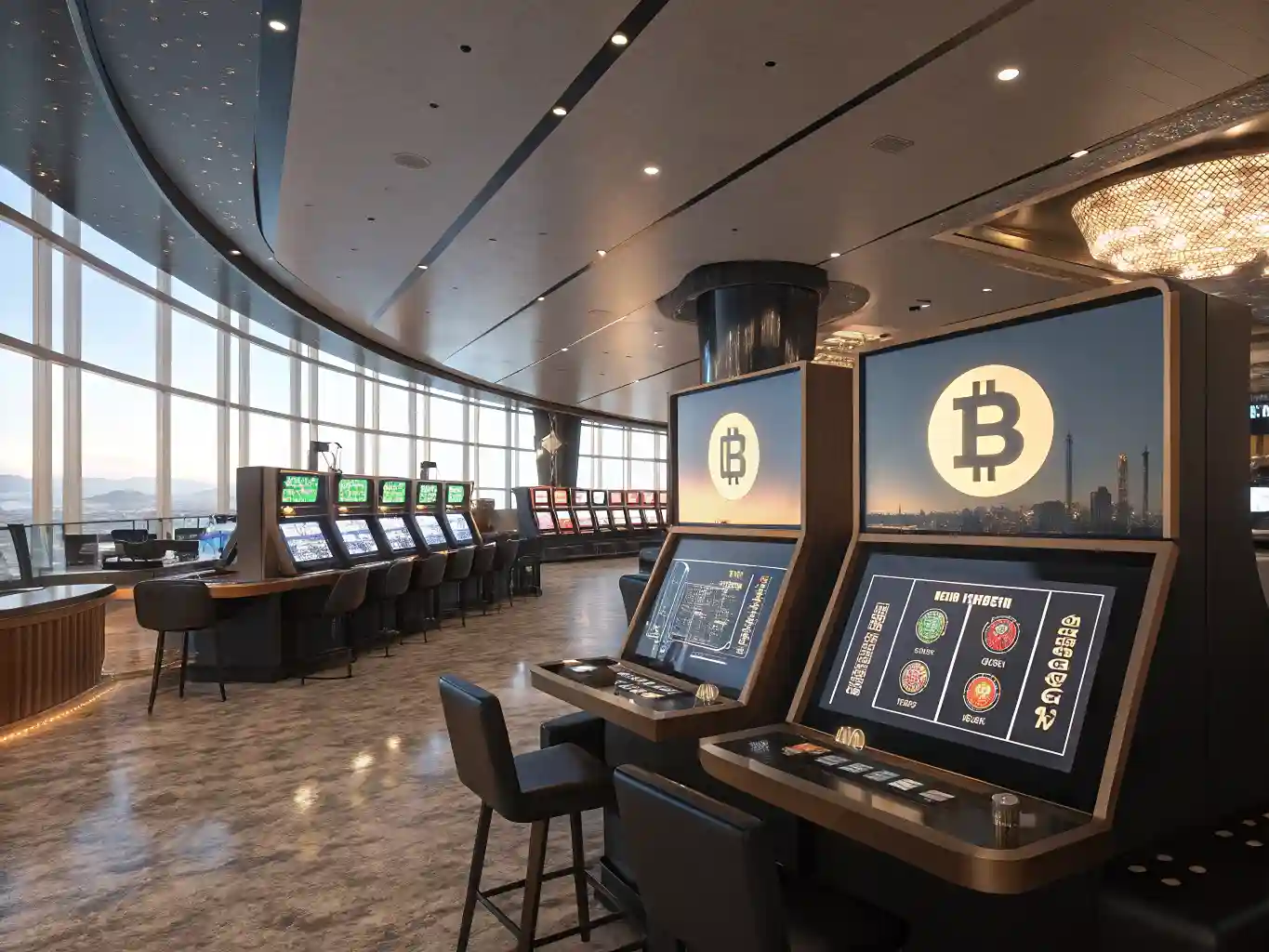
USDT works well in online casinos because it solves one of the most annoying problems in crypto gambling: moving prices. When a player deposits Bitcoin, the value of that deposit may rise or fall before the next session. That can be exciting for investors, but it creates confusion for gambling. A $300 bankroll can become $285 or $320 without a single spin or bet. For some users, that feels like an extra game running in the background. USDT removes most of that noise by keeping the balance close to a dollar-denominated value.
This matters most for players who set fixed budgets. A person who decides to spend $100 on slots, live blackjack or sports bets usually wants that amount to remain understandable. With USDT, the deposit, bonus requirement, wager size and withdrawal value are easier to compare. A $5 bet still feels like a $5 bet. A $40 bonus still looks like a $40 bonus. That simplicity is one reason stablecoins have become so common in crypto gaming environments.
USDT also fits the way many casinos calculate promotions. Bonus terms are usually expressed in fiat-like values, even when the cashier accepts crypto. If the user plays with Bitcoin and the BTC price moves sharply, the real value of a bonus can feel different by the time wagering is completed. Stablecoins make bonus tracking cleaner. They do not make a bad bonus good, and they do not remove wagering requirements, but they reduce confusion around the amount being played.
Another practical advantage is chain choice. Many casinos support USDT on networks such as TRON, Ethereum, BNB Chain or Polygon. Each network has its own fee level, confirmation speed and withdrawal availability. TRON-based USDT is popular because it is often cheap and widely supported, while Ethereum-based USDT may be more expensive during busy periods. The best casinos make this choice clear before the player sends funds. A weak cashier page can cause costly mistakes, especially when a user sends USDT through the wrong network.
Bitcoin has a different appeal. It remains the most recognized cryptocurrency, and many long-term crypto users trust it more than stablecoins. BTC is not tied to an issuer in the same way USDT is. Some players prefer that independence. Others like the idea that unused funds may appreciate over time. For gambling, however, that same volatility can distort the bankroll. A winning session can look weaker if BTC falls afterward, and a losing session can be softened by a price rise that has nothing to do with casino performance. That mix is not always comfortable for disciplined play.
What separates the best USDT crypto casinos from ordinary sites
A strong USDT casino starts with a clean payment experience. The cashier must show the supported networks, minimum deposit, expected confirmation time, withdrawal rules and possible fees before money moves. Players should never have to guess whether a platform accepts USDT-TRC20, USDT-ERC20 or another version. The best sites also warn users that sending funds through an unsupported chain may lead to loss of funds or a complicated recovery process.
Good casinos treat stablecoin payments as part of the main product, not as a small extra feature. That means balances update quickly after confirmation, withdrawals do not sit pending for unclear reasons, and the site does not hide restrictive limits deep in the terms. A serious platform explains whether withdrawals are processed automatically, manually or through a hybrid system. Manual review is not always bad, especially for security, but unexplained delays damage trust.
Licensing and reputation also matter. A crypto casino should show who operates it, under which license it works, what regions are restricted and how disputes are handled. Offshore licensing is common in the sector, but players should still expect basic transparency. A site that hides ownership, avoids responsible gambling language or promotes unrealistic winning claims should not be treated as a top option, even if it supports USDT and advertises fast payouts.
The game library should match the payment quality. A good USDT casino usually works with recognized software providers, displays return-to-player information where relevant and separates casino games from sports betting in a way that is easy to navigate. Provably fair games can add value, especially for crypto-native users, but they are not a replacement for licensing, fair terms and reliable withdrawals. A site can have a provably fair crash game and still be poor if its bonus rules are predatory.
The user experience should also support controlled play. Stablecoins make deposits feel smooth, which is useful, but that convenience can also make spending too easy. The better platforms offer deposit limits, session reminders, cool-off options and self-exclusion tools. These features are not decoration. They are part of what makes a casino safer and more sustainable for users who want entertainment rather than uncontrolled risk.
USDT versus Bitcoin payments in real casino use
The difference between USDT and Bitcoin becomes clear when looking at daily use rather than theory. Bitcoin is powerful as a crypto asset, but USDT is often more convenient as a playing balance. A casino bankroll is not the same as a long-term investment wallet. It needs clarity, fast movement and predictable value.
Before choosing a payment currency, a player should think about what matters most: stable value, network cost, privacy expectations, long-term holding strategy or simple cashier convenience. The comparison below shows how the two options usually behave inside crypto casino accounts.
| Factor | USDT payments | Bitcoin payments |
|---|---|---|
| Bankroll value | Usually remains close to the US dollar, which makes budgeting easier. | Moves with the BTC market, so bankroll value can rise or fall outside gameplay. |
| Fee experience | Depends heavily on the selected network; TRON and some other chains are often cheaper than Ethereum. | Depends on Bitcoin network congestion and the fee chosen for confirmation priority. |
| Bonus clarity | Easier to understand because bonuses and wagering values often feel fiat-like. | More confusing when BTC price changes during wagering or before withdrawal. |
| Withdrawal timing | Often chosen for quick cash-out planning and predictable received value. | Timing may be influenced by both casino processing and BTC market movement. |
| User risk | Includes issuer, chain, address and network-selection risks. | Includes volatility, confirmation-fee and market-timing risks. |
| Best use case | Players who want stable accounting, practical deposits and clear bankroll control. | Players who already hold BTC and accept price movement as part of the experience. |
This comparison does not mean USDT is always better. It means USDT is usually better suited to the practical side of casino play. Bitcoin may suit users who think in BTC terms, keep most of their crypto wealth in Bitcoin or prefer not to convert into stablecoins. A casual player who wants a clear $200 entertainment budget will usually find USDT easier. A Bitcoin-focused user who does not mind market swings may still prefer BTC, especially if the casino has fair fees and reliable confirmations.
The biggest trap is treating payment choice as a minor detail. It is part of bankroll management. A player who deposits BTC during a volatile market may end up making emotional decisions because the balance changes too much. A player who uses USDT on the wrong network may lose time and money before gameplay even starts. The best crypto casinos reduce those risks by giving clear instructions, but the user still has to read them carefully.
How to choose a safe and practical USDT casino
The best USDT crypto casino is not necessarily the one with the biggest welcome bonus. Large bonuses often come with high wagering requirements, game restrictions, maximum bet limits and withdrawal caps. A smaller, cleaner promotion can be more valuable than a huge headline offer that is nearly impossible to convert into withdrawable money. Players should judge the full package: payments, terms, games, reputation and support.
A careful review should start at the cashier, not at the bonus banner. The cashier shows how seriously the casino treats money movement. If the deposit page is vague, the withdrawal section is hidden or network details are unclear, that is a warning sign. A reliable platform usually explains minimum and maximum limits, processing stages and possible reasons for review. It also separates supported currencies and networks in a way that prevents confusion.
The terms page deserves the same attention. Crypto casinos sometimes advertise instant withdrawals but reserve the right to delay payments for verification, bonus checks or risk review. That is not automatically unfair, but the rules should be written clearly. If the casino can cancel winnings for broad or unclear reasons, the player carries too much risk. Strong platforms use specific language and do not rely on vague clauses that can be stretched against the user.
Support quality is another signal. Live chat should answer payment questions directly. If a player asks whether USDT-TRC20 is supported, the answer should not be generic. Support should know the difference between networks, explain withdrawal timing and help users understand account verification requirements. Slow or evasive support before a deposit often becomes worse after a withdrawal problem.
A practical checklist helps separate serious USDT casinos from weak ones:
• The casino clearly lists every supported USDT network and warns against unsupported transfers.
• Withdrawal limits, processing times and possible fees are visible before depositing.
• Bonus terms explain wagering, excluded games, maximum bets and withdrawal caps in plain language.
• The platform shows licensing information, restricted countries and responsible gambling tools.
• Customer support can answer detailed payment questions without vague scripted replies.
• The game library includes recognized providers, fair rules and transparent information about game types.
• The site does not promise guaranteed profit, risk-free gambling or unrealistic win rates.
This kind of review takes more time than clicking the largest bonus, but it protects the player from the most common problems. A casino that handles USDT properly should make the payment path feel boring in the best sense: clear, predictable and easy to verify. Excitement belongs in the games, not in wondering whether a withdrawal will arrive.
Bankroll control, fees and the hidden cost of convenience
USDT makes casino payments easier, but ease can become a risk when players stop feeling the weight of each deposit. Stablecoins move quickly, and many users keep them ready in a wallet or exchange account. That can shorten the distance between impulse and action. A player who wants a healthy relationship with crypto gambling should set a fixed budget before opening the cashier.
Bankroll control starts with separating gambling funds from investment funds. Bitcoin holders often make the mistake of using long-term holdings for short-term play. USDT users can make a different mistake: treating stablecoin balances as spare digital cash. In both cases, the problem is the same. Casino money should be money the player can afford to lose. It should not be rent money, debt money, emergency savings or funds reserved for trading.
Fees also deserve attention. Stablecoins are not automatically free to move. USDT on Ethereum can become expensive during busy network periods, while other networks may be cheaper but less supported by some wallets or exchanges. Bitcoin fees can also change depending on congestion and confirmation priority. A small player making frequent deposits and withdrawals may lose more to network costs than expected. The practical answer is to move larger planned amounts less often, avoid unnecessary transactions and choose networks supported by both the casino and the user’s wallet.
Withdrawal discipline matters as much as deposit discipline. Stablecoin withdrawals can feel satisfying because the amount received is easy to understand. If a player wins $600 in USDT, there is no need to calculate whether the value changed during processing. That clarity can support better decision-making. It becomes easier to take profit, stop a session and move funds back to a personal wallet.
Bitcoin withdrawals require a slightly different mindset. The user receives BTC, not a fixed dollar result. If BTC rises after withdrawal, the win grows in fiat terms. If BTC falls, the win shrinks. Some players like that exposure, but it should be a conscious choice. A player who wants to preserve the result of a gambling session may prefer USDT, while someone who wants to keep everything in Bitcoin may accept the market risk.
Convenience should never replace caution. The best crypto casinos make payments smooth, but smooth payments do not make gambling safer by themselves. Real safety comes from limits, clear rules, responsible behavior and the ability to walk away without chasing losses.
When Bitcoin still makes sense
USDT is often the cleaner option for casino play, but Bitcoin still has a place. Many crypto users entered the market through BTC and feel more comfortable holding it than holding stablecoins. They may distrust centralized issuers, worry about stablecoin freezes or prefer an asset with a long public history. Those concerns are not imaginary. Stablecoins introduce issuer risk, reserve confidence risk and compliance-related controls that do not exist in the same way with Bitcoin.
Bitcoin can also suit players who think in satoshis rather than dollars. For them, the goal is not to maintain a fiat-denominated bankroll but to use BTC as their main financial unit. If a casino supports BTC deposits and withdrawals cleanly, charges fair fees and processes payments reliably, Bitcoin remains practical. The experience is less stable in dollar terms, but that may not bother someone who already accepts BTC volatility across daily life.
There is also a psychological difference. USDT makes every win and loss feel close to cash. Bitcoin can create distance because the player may focus on coin amounts rather than fiat value. That distance can be dangerous if it makes losses feel smaller, but it can also be natural for experienced crypto users. The important point is self-awareness. A player should know whether crypto units make spending clearer or blur the real cost.
Bitcoin may be less ideal during periods of heavy network congestion. If fees rise and confirmations slow, smaller casino transactions become less attractive. USDT on a low-cost network can be more practical for frequent deposits and withdrawals. On the other hand, if a player is moving larger amounts and already keeps funds in BTC, converting to USDT only for gambling may add extra steps, exchange fees and compliance checks.
The strongest approach is flexible. A player can hold long-term crypto separately, keep casino funds in USDT for clarity and use Bitcoin only when it fits the situation. The payment currency should serve the playing plan, not control it.
Conclusion
The best crypto casinos for playing with USDT are the platforms that combine stablecoin convenience with serious operating standards. They make network choice clear, process withdrawals reliably, explain bonus terms honestly and give users tools to control spending. USDT is attractive because it keeps the bankroll understandable. It helps players see deposits, bets, bonuses and withdrawals in stable dollar-like terms instead of mixing gambling results with crypto market movement.
Bitcoin remains important, but it creates a different experience. It suits users who accept volatility, already hold BTC and prefer a decentralized asset over issuer-backed stablecoins. For most casino players, especially those focused on budget control and predictable withdrawals, USDT is usually the more practical payment choice.
A good casino should never be judged only by the coin it accepts. Payment speed means little without fair terms. A large bonus means little if the withdrawal rules are restrictive. A modern interface means little if support cannot explain basic network details.